How Much Does a Yard of Pea Gravel Weigh? A Complete Guide
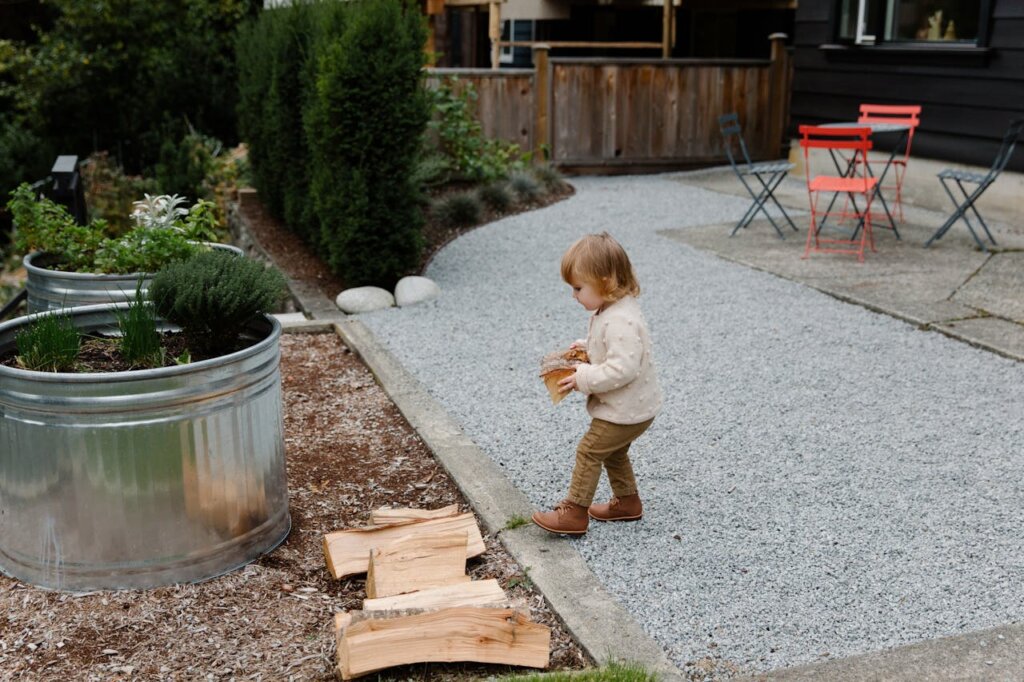
When planning a landscaping or construction project, one of the most critical factors for success is accurate material calculation. Whether you are building a serene garden walkway in Austin or a drainage system for a commercial site in Dallas, knowing the weight of your materials is essential for logistics, budgeting, and safety.
A common question we receive at Select Sand & Gravel is: “How much does a yard of pea gravel weigh?”
Understanding the weight of pea gravel (and how it differs from other aggregates) ensures you hire the right hauling equipment and avoid overloading your vehicle. In this comprehensive guide, we will break down the weights, factors affecting density, and how to plan your delivery.
How Much Does a Yard of Pea Gravel Weigh? The Quick Answer
On average, one cubic yard of pea gravel weighs approximately 2,800 pounds, which is about 1.4 tons.
However, this number is not static. Depending on the moisture content, the specific type of stone, and the size of the gravel, a cubic yard can range anywhere from 2,400 to 3,000 pounds.
Weight per Measurement Unit:
- Per Cubic Foot: ~100 to 110 lbs
- Per Cubic Yard: ~2,800 lbs (1.4 tons)
- Per Square Foot (at 2-inch depth): ~18 to 20 lbs
How Much Does a Yard of Pea Gravel Weigh? The Quick Answer
While the 2,800-pound benchmark is a reliable industry standard, several environmental and physical factors can shift that number. Understanding these variables is key to professional-grade project management.
1. Moisture Content and Absorption
Aggregate is porous. If your pea gravel has been sitting in a yard during a rainy season in Houston or San Antonio, it will hold significant water weight. Wet pea gravel can weigh up to 10-15% more than bone-dry gravel. When ordering by weight (tonnage), you may receive slightly less volume if the material is saturated.
2. Stone Composition and Origin
Pea gravel isn’t a specific mineral; it is a classification based on size and shape (typically smooth, rounded stones about the size of a pea). The weight depends on the parent rock.
- Quartz-based gravel is denser and heavier.
- Limestone or Sandstone-based gravel may be slightly lighter.
3. Compaction and Settling
When gravel is first loaded into a dump truck, it is “loose.” As the truck travels to your job site in Fort Worth or Oklahoma City, the vibration causes the stones to settle and “nest” together. This reduces the volume (cubic yards) but the weight remains the same.
Pea Gravel vs. Other Aggregates: A Weight Comparison
It is helpful to see how pea gravel stacks up against other common materials delivered by Select Sand & Gravel. This helps in choosing the right material for your specific load-bearing requirements.
Pea Gravel vs. Crushed Rock
Crushed rock often has “fines” (smaller dust particles) that fill the gaps between larger stones, making it denser. Consequently, a yard of crushed rock or road base often weighs more than a yard of clean pea gravel, which has consistent air gaps between the rounded stones.
Pea Gravel vs. River Rock
River rocks are larger versions of pea gravel. Because larger stones create larger air pockets (voids) in a cubic yard container, a yard of large river rock may actually weigh slightly less than a yard of tightly packed 3/8″ pea gravel.

